


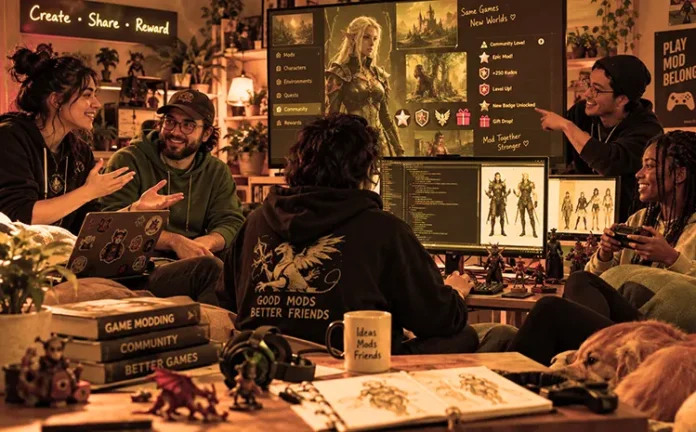
Game modders have always thrived where official systems barely reach. Recently, their grassroots reward models have started to influence how digital communities and even mainstream platforms approach incentives. Modders don’t wait for a studio’s blessing to thank contributors, they devise their own way, be it exclusive content, community shout-outs, or unique collaborations that no standard loyalty program can match.
This decentralized recognition is starting to echo beyond fan forums. Digital goods, like a Zomato gift card, are being used as creative rewards in broader community settings, from coding challenges to stream giveaways. The shift signals a deeper respect for peer-driven recognition and the flexibility of non-traditional incentives. A reward doesn’t have to come directly from the platform or studio to feel meaningful, it can move fluidly between communities, adapting to what people value most.
Transparency and Trust: The New Standard for Digital Rewards
Traditional reward schemes sometimes hit a wall: lack of flexibility, region locks, or limited transparency on who is rewarded and why. Game modders, facing these same obstacles, have responded by making reward terms public, verifying contributions within the group, and letting community norms rule the distribution. Their blueprint is now being mirrored in the wider digital space, where trust is everything and transparency drives participation.
This wave of peer-set rewards raises the bar for how digital platforms handle trust. As a result, more buyers gravitate toward marketplaces that let them see all the details before committing. When digging into how Eneba works, it’s clear that the platform’s approach aligns with this shift. Eneba operates as a third-party digital marketplace, where buyers browse digital products, compare offers, and purchase from verified merchants. Each listing transparently displays regional tags and product details, so users can easily check compatibility with their own accounts before buying. Buyers gain confidence from knowing merchants are verified and product legitimacy is actively monitored, a direct response to the demand for safe, informed choices shaped by years of community-driven reward practice.
What’s Next: Cross-Platform, Community-First Incentives
As digital communities grow beyond game mods into all areas of culture, food delivery, streaming, productivity platforms, the lessons from modders resonate even louder. The concept of “reward” now stretches far past points and badges. Custom content drops, community leaderboards, and third-party digital rewards enhance engagement and loyalty in ways official platforms rarely anticipate.
The trend now points toward even more decentralized community-driven incentives, where the users themselves decide what counts as a meaningful thank-you. Digital marketplaces like Eneba, with their wide offering and region-specific clarity, mirror that variety, making it possible to reward someone with a gift card, in-game item, or software license from nearly anywhere. For digital communities demanding both choice and transparency, that’s exactly what Eneba has built its experience around.
Also Read: The Case For Community-Driven Game Creation and Modding Culture
