


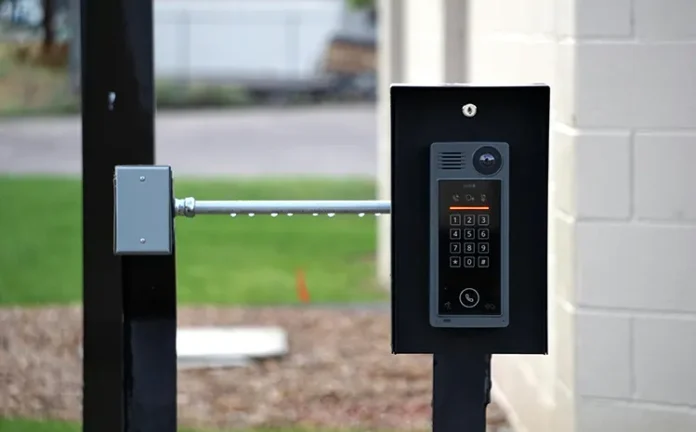
The way buildings are secured has shifted dramatically over the past decade. Traditional lock-and-key systems are giving way to digital solutions that are more flexible, more traceable, and easier to manage. For facility managers, property developers, and security professionals, understanding this shift is increasingly essential.
The Limitations of Traditional Locking Systems
For most of the twentieth century, physical keys were the standard. They were simple, cheap, and universally understood. But simplicity comes with trade-offs. When a key is lost or copied, there is no record, no audit trail, and no easy way to revoke access without replacing the lock entirely. In large buildings with dozens or even hundreds of access points, this creates a significant administrative burden.
Physical keys also make it difficult to manage access levels. Giving a contractor temporary access to one floor while restricting all others requires careful planning and often physical intervention. If that contractor forgets to return the key, the problem compounds quickly. These are not edge cases; they are everyday realities for anyone managing a commercial or residential property at scale.
Also Read: WLAN Reception: How To Bring The Total Bandwidth Into Your Smart Home
What Digital Access Solutions Make Possible
Digital locking systems address these issues by moving control away from physical hardware and toward software. Instead of cutting a new key, administrators can update permissions remotely. Instead of hoping someone remembers to return a key card, access can simply be revoked at the tap of a screen. This kind of centralised control makes it much easier to respond to incidents, onboard new staff, or manage multiple sites from one platform.
A well-designed Access control system also produces data. Every time a door is opened, that event is logged. Over time, this data can reveal patterns that help organisations make smarter decisions about staffing, security protocols, and building usage. It transforms access from a purely mechanical process into an informative one.
One of the more compelling developments in this space is the move toward battery-free locking technology. ILOQ has developed locks that harvest energy from the act of inserting a key or using a smartphone, eliminating the need for wired infrastructure or battery replacements. This is particularly valuable in large residential or commercial complexes where maintaining traditional electronic locks across hundreds of doors would be both costly and labour-intensive.
Choosing the Right System for Your Building
Not every building has the same needs. A small office with ten employees has very different requirements from a hospital, a university campus, or a block of flats. When evaluating digital access solutions, it is worth considering scalability, integration with existing systems, mobile compatibility, and ongoing maintenance requirements.
Security technology continues to evolve, and the gap between physical and digital systems is widening. Organisations that invest in modern access solutions now are better positioned to adapt as requirements change, whether that means adding new sites, managing remote access, or meeting increasingly strict data security standards.